A decade ago, the phrase "self-catering" still carried a slightly utilitarian ring in South Africa — coastal cottages, family flats, a microwave and a kettle. By 2026, the same phrase covers some of the most sophisticated holiday properties on the continent: private chefs available on request, cellars stocked with the host's own labels, and architect-designed houses sleeping ten or twelve. The rise has been quiet but decisive.
What changed is partly traveller behaviour and partly what villa owners decided to offer in response.
The villa replaced the suite
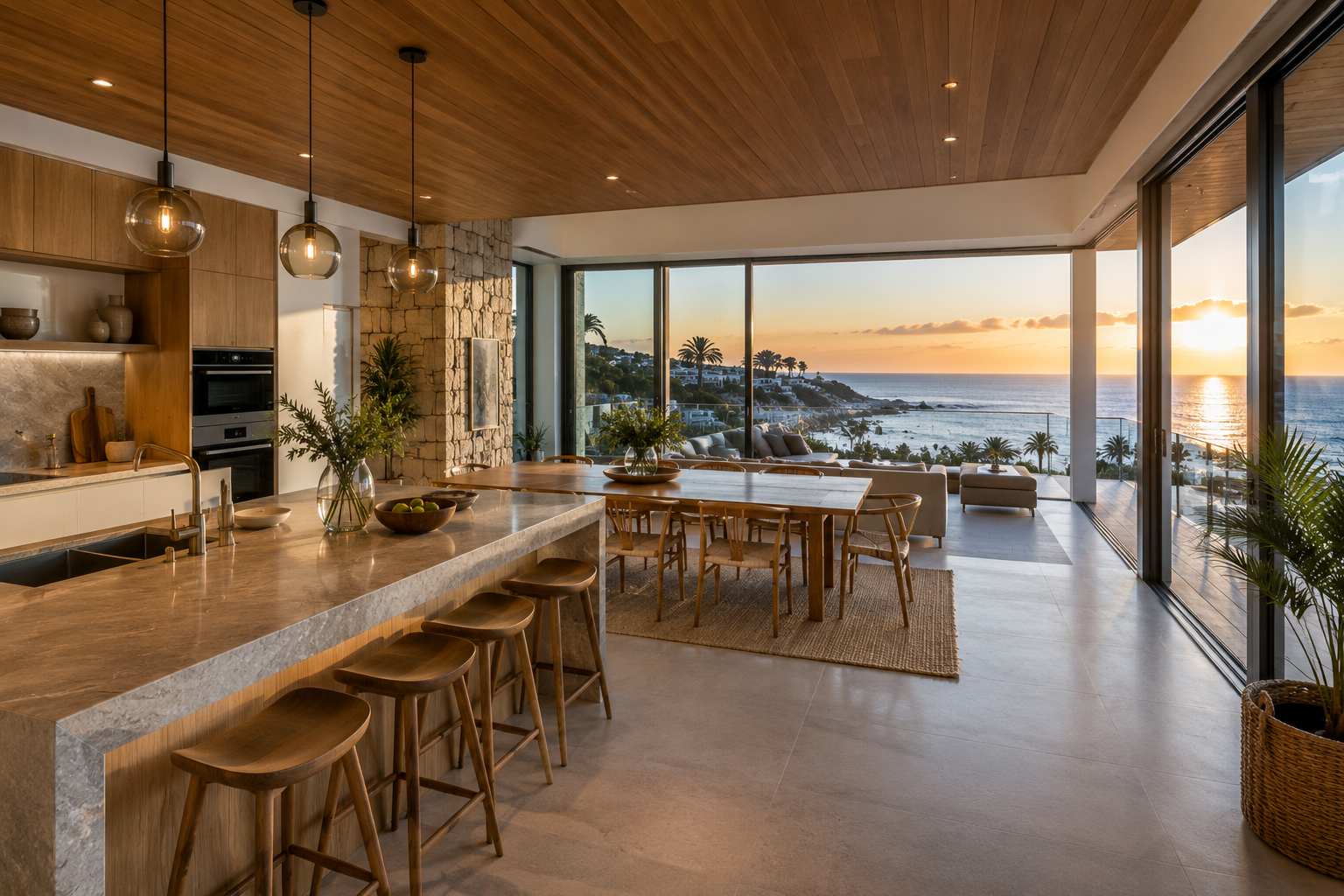
The first shift was demand. South African luxury travellers — and an increasing share of international visitors — began choosing villas over hotel suites for trips of more than three nights. The reasons are now familiar: more space, more privacy, a private pool, a kitchen for the children, and the freedom to set one's own rhythm. The pandemic accelerated the trend but did not invent it; it simply gave a generation of travellers permission to stop apologising for preferring a house.
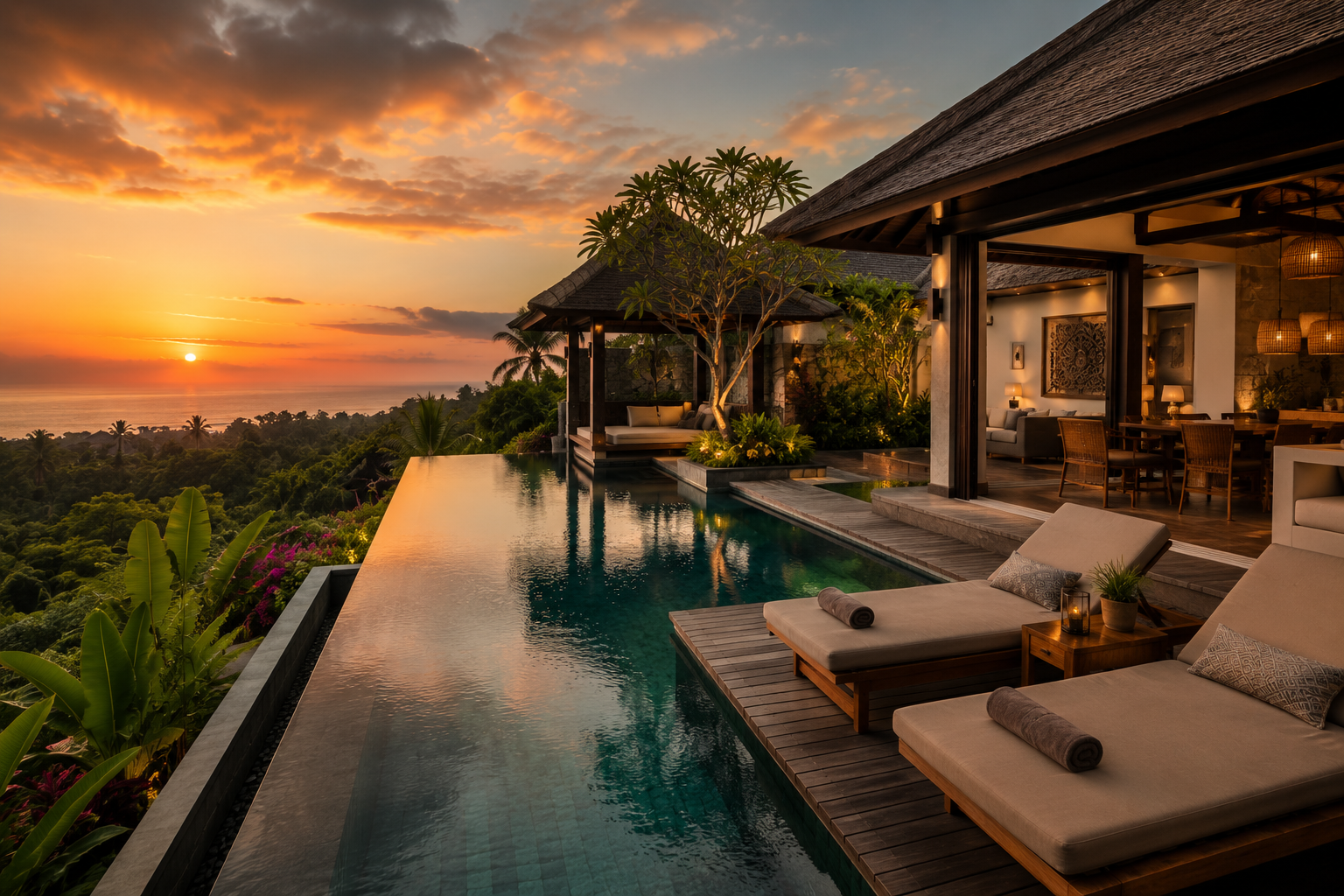
This pattern matches what we are seeing in the global self-catering boom: from Provence to Bali, the high-end traveller has moved decisively towards a private home with optional service rather than a serviced suite with mandatory rules.
South African owners learned to operate like hotels
The second shift was on the supply side. South African villa owners — particularly in the Cape, the Garden Route, and the bushveld — quietly learned to operate like small hotels. Standardised housekeeping, professional check-ins, dedicated concierge teams, daily cleans, and on-call chefs are now the baseline rather than the exception at the top of the market. The result is a category of property that looks like a private home and behaves like a five-star resort.
This was, in retrospect, a structural advantage. South African luxury hospitality already had a service culture built around safari lodges; turning the same staff training into a villa operation was a short distance to travel.
The Cape is leading, but it is not alone
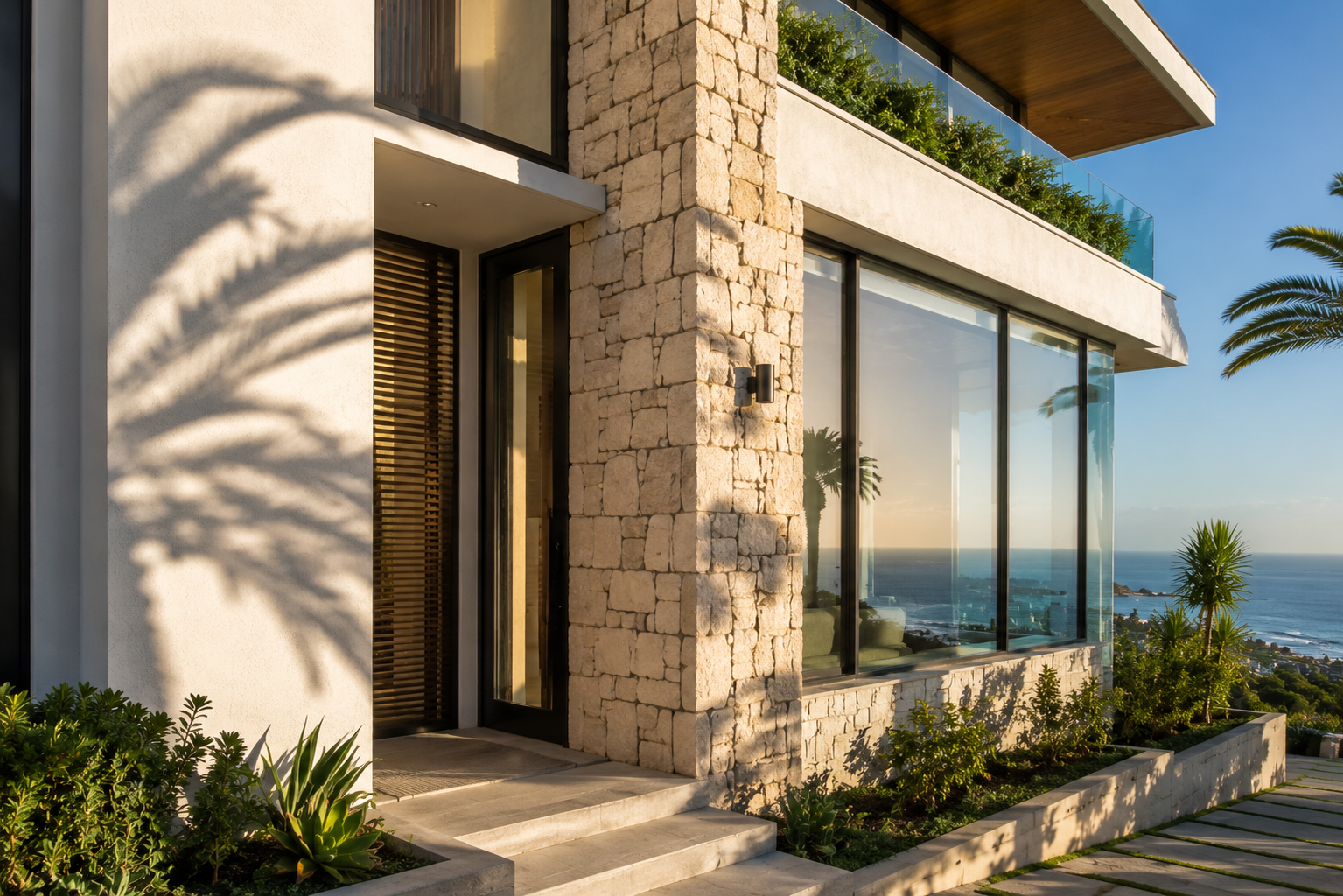
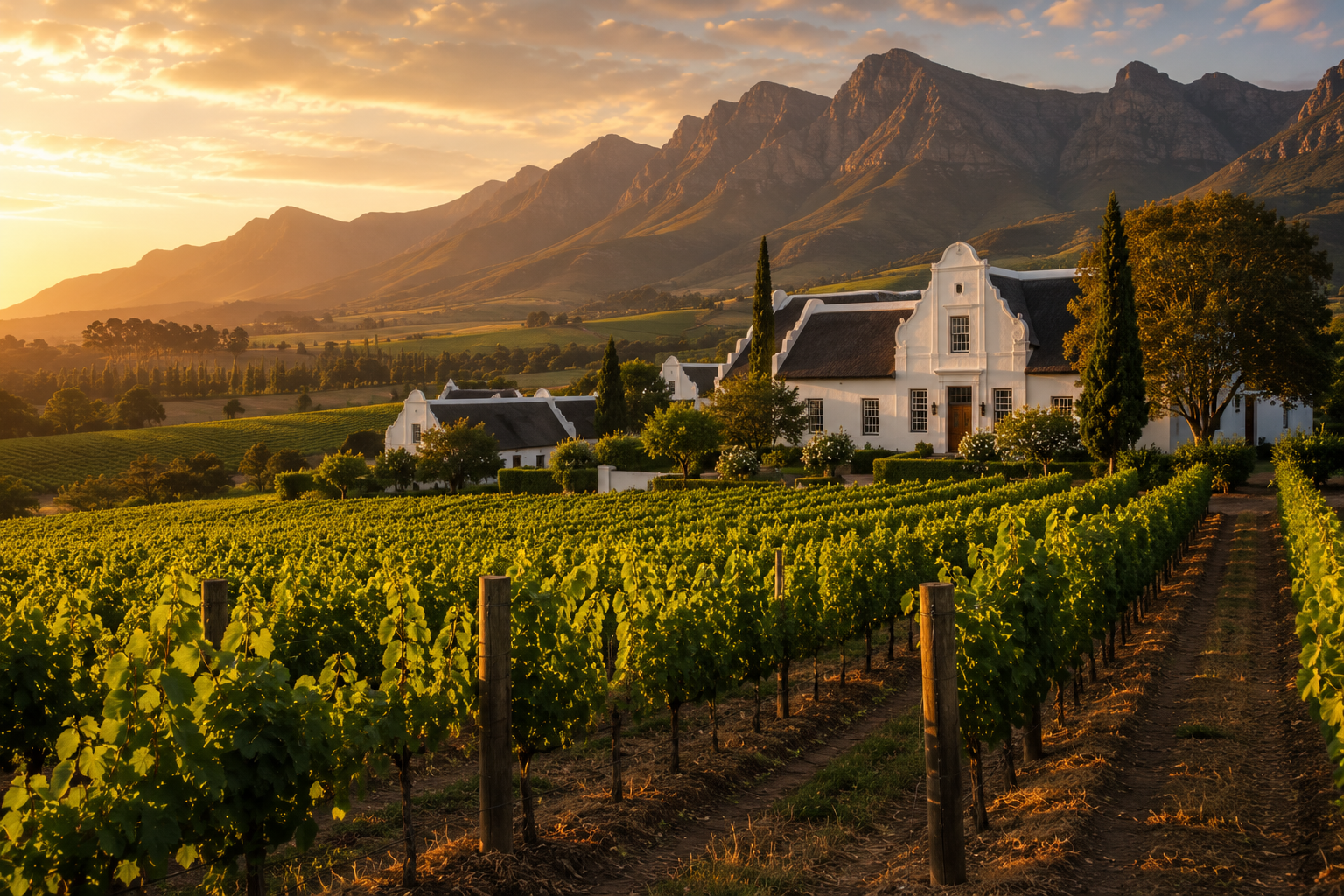
Cape Town is the most visible centre of this shift, simply because the Atlantic Seaboard and the winelands have such a concentration of architecturally serious houses available by the week. But it is no longer alone. Plettenberg Bay's clifftop houses, Hermanus's whale-coast villas, the Sabi Sand lodge-style private homes, and a quiet but growing collection in St Francis and Kenton are all part of the same picture.
What unifies them is a particular tone — homes that feel personal rather than corporate, where the cookbooks on the kitchen shelf belong to someone, and the second bedroom has a real history.
What this means for the next five years
The honest forecast is that the luxury self-catering category will continue to absorb travellers who used to default to hotels. The houses will get better designed, the operations will get smoother, and the prices will continue to rise in step. The interesting question is no longer whether to choose a villa over a suite — it is which villa, in which postcode, on which week.
For South Africa, that is an unusually comfortable conversation to be in. The country has more good houses, in more good landscapes, than the market has fully discovered yet.